 Bible LockDownload
BIBLE LOCK GUIDES
How to Stop Getting Distracted So Easily
Have you noticed how difficult it can be to do something without wanting to do something else at the same time?
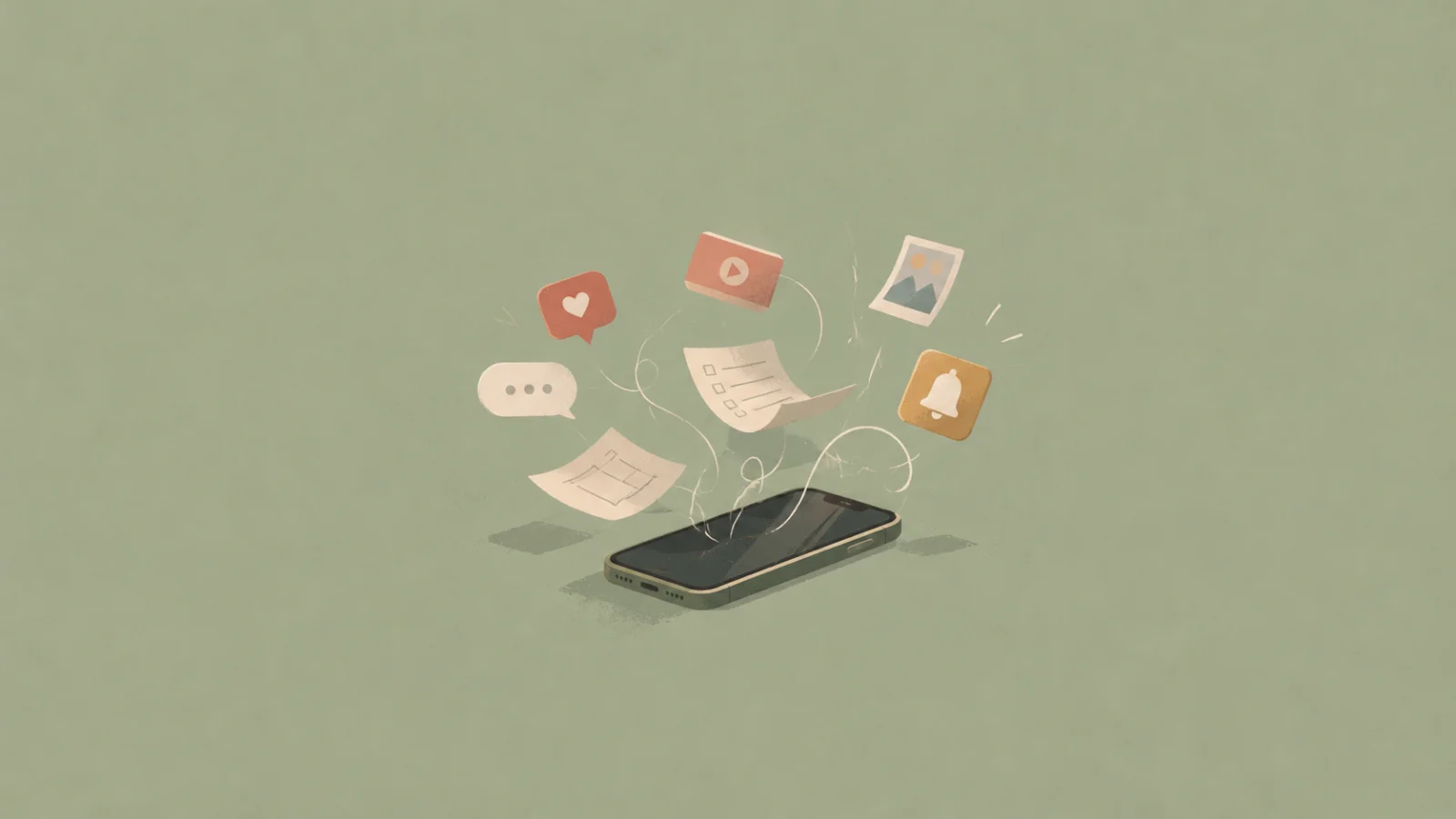
You sit down to do something, and a few minutes later, you're doing something completely different. You're watching a movie, but you keep checking your phone. You're having lunch, but you're scrolling through TikTok. Even when nothing particularly urgent is happening, your attention keeps jumping from one thing to another.
If this sounds familiar, you're not alone. It's frustrating when you want to get things done but struggle to stay focused long enough to finish them. The good news is that being easily distracted doesn't necessarily mean you're lazy or lack discipline. Your environment, habits, and the way you approach a task can all affect your attention.
Here are some practical ways to make it easier to focus.
Figure Out What's Actually Distracting You
Before trying to improve your focus, pay attention to what usually pulls you away from what you're doing. Is it your phone? Background noise? Boredom? Or do you find yourself switching tasks whenever something feels difficult? Different distractions need different solutions.
If notifications interrupt you, silencing them might help. If you keep checking your phone whenever a task gets boring, you may need to work on that habit. And if you keep switching between tasks because you have too much to do, you might need to simplify your priorities.
For the next day or two, notice when you lose focus and what happened right before it. You don't need to track every minute. Just look for patterns. Once you understand what's pulling your attention away, you can make a plan to deal with the actual problem instead of blaming yourself for being distracted.
Make It Harder to Get Distracted
One of the easiest ways to improve your focus is to stop relying on willpower alone. If your phone is next to your laptop, notifications keep appearing, and your favorite apps are one tap away, you're constantly giving yourself opportunities to get distracted.
Try changing your environment before you start working.
- Put your phone somewhere you can't easily reach.
- Turn off non-essential notifications.
- Close tabs and apps you don't need.
- Keep only the materials you need for your current task in front of you.
These changes might seem small, but they reduce the number of decisions you have to make every time something tries to grab your attention. The smarter move is to make the distraction less accessible in the first place.
Stop Trying to Focus for Hours at a Time
If you struggle to concentrate, telling yourself to sit down and focus for three hours probably isn't the best place to start. Instead, make the task smaller.
Choose one thing you need to finish and work on it for 15 or 20 minutes without switching to something else. When the time is up, take a short break if you need one, then decide whether you're ready for another round. You can adjust the time depending on the task and your attention span. The point is to give yourself a clear, manageable goal.
A smaller task feels easier to begin, and finishing one part gives you a clear place to continue from. Over time, you can gradually increase how long you work without interruptions.
Do One Thing at a Time
Sometimes, the problem isn't that we can't focus. It's that we're trying to focus on too many things at once. Although it can feel productive, constantly switching between tasks makes it harder to give any one of them your full attention.
Try choosing one priority before you begin. If other tasks come to mind, write them down so you can return to them later instead of immediately switching. For example, if you're writing an email and remember that you need to pay a bill, add it to your to-do list. Finish the email first, then deal with the bill.
You need to stop treating every new thought or task as something that requires your attention immediately.
Take Care of Your Body, Too
It's easy to assume that getting distracted is purely a discipline problem, but your physical state matters as well. Try concentrating when you've barely slept, skipped meals, or spent the entire day sitting in front of a screen. Even a task you normally handle easily can feel harder.
A few basic habits can make a difference:
- Get enough sleep and keep a reasonably consistent sleep schedule.
- Eat regularly and drink enough water.
- Take short movement breaks during long periods of sitting.
- Give yourself time away from screens throughout the day.
Start with whichever habit is most neglected in your daily life!
And if difficulty concentrating is persistent, significantly affects your daily life, or happens alongside other symptoms, consider speaking with a healthcare professional. There can be several reasons for ongoing attention difficulties, and it's not always a matter of trying harder.
Practice Giving God Your Attention, Too
Distractions don't only affect our work or daily responsibilities. They can also make it difficult to spend intentional time with God. Maybe you sit down to read the Bible, but a notification appears. You check your phone, open another app, and suddenly your quiet time is over before it really begins.
If this happens to you, try making your time with God simpler and more intentional. Choose a short passage of Scripture, put your phone on silent, and spend five minutes reading without doing anything else. Just start with something you can realistically maintain.
You could also choose a regular time of day when you're less likely to be interrupted. The goal isn't to create a perfect routine, but to make space for Scripture in your everyday life.
If your phone is your biggest distraction, Bible Lock can help you build this habit. It places Bible verses on your lock screen and can block distracting apps until you've read Scripture, giving you a practical reason to pause before opening the apps that usually pull you away. Read Scripture Before You Scroll →
Remember that building better focus takes practice. The aim isn't to concentrate perfectly every minute of the day. It's to become more intentional about where your attention goes.