 Bible LockDownload
BIBLE LOCK GUIDES
What Does Self-Control Look Like in Everyday Christian Life?
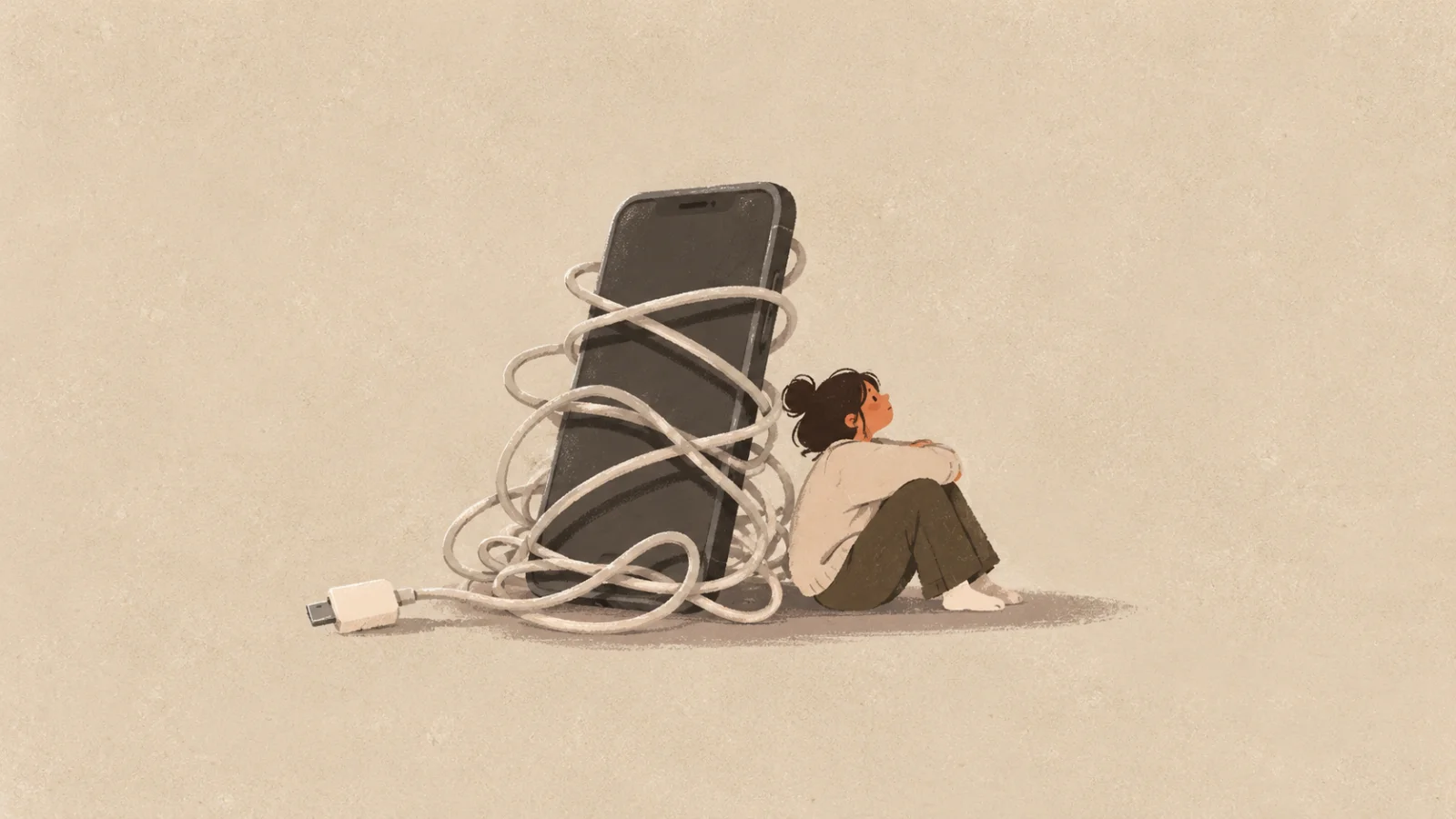
We all have moments when we know what the right thing to do is, but actually doing it feels difficult.
Maybe you say something out of anger and regret it five minutes later. Maybe you get jealous of someone else's life, even though you know you should be grateful for your own. Or maybe you struggle to control your reactions when things don't go the way you expected.
As Christians, we're called to practice self-control. But what does that really look like in everyday life? Is it simply about having more discipline, or is there something deeper to it? Let's look at what the Bible says and how we can put it into practice.
1. Self-Control Is More Than Just Willpower
When we think about self-control, we often think about forcing ourselves to do the right thing. We tell ourselves to be more disciplined, stop making excuses, and try harder next time. But biblical self-control goes deeper than that.
In Galatians 5:22–23, Paul describes self-control as one of the fruits of the Holy Spirit. It is part of the character God wants to develop in us as we grow in our faith. This means self-control isn't simply about having a strong personality or being good at following rules. It's also about allowing God to shape our desires, reactions, and decisions.
You won't always get it right. None of us will. But as we grow in our relationship with God, we can learn to respond differently to the things that once controlled us. Self-control isn't about proving how strong you are. It's about learning to live in a way that reflects your faith.
2. Recognize What Drives Your Actions
Sometimes, our actions reveal something about what's happening inside us. Think about the last time you reacted badly to someone. Were you really angry about what they said, or were you feeling insecure, rejected, or misunderstood?
Maybe you found yourself comparing your life to someone else's because you were unhappy with where you were. Or perhaps you became impatient because things weren't going according to your plans. It's easy to focus only on the behavior we want to change without looking at what's behind it.
In James 4:1–2, James asks his readers to consider the desires that lead to conflict among them. His words remind us that our struggles don't always begin with what happens around us. Sometimes, they begin with what we want, expect, or feel entitled to.
This doesn't mean every difficult emotion is wrong. Feeling angry, disappointed, or jealous doesn't automatically make you a bad Christian. What matters is how you respond to those feelings.
Try asking yourself a few honest questions: Why did that situation affect me so much? What was I expecting from the other person? Am I reacting to what actually happened, or to what I think it means about me? Understanding what's happening inside you can help you respond with more wisdom instead of simply reacting in the moment.
3. Learn to Pause Before You React
One of the hardest parts of self-control is managing our reactions when we're upset. Someone makes a comment that hurts your feelings, and suddenly you want to say something just as hurtful back. A friend disappoints you, and you feel tempted to ignore them rather than explain what's wrong. A small disagreement turns into an argument because neither person wants to back down. We've probably all been there. But having a feeling doesn't mean you have to act on it immediately.
James 1:19 gives Christians a simple reminder: be quick to listen, slow to speak, and slow to become angry. That advice sounds simple, but putting it into practice takes effort. Sometimes, the most helpful thing you can do is take a breath before responding, listen to what the other person is actually saying, or give yourself a little time to think.
You don't have to pretend you're not upset. You can communicate your feelings honestly without letting anger make the decision for you. The next time you feel yourself getting worked up, ask yourself: Will my response help this situation, or will it make things worse? That small pause can make a real difference in how you handle difficult moments.
4. Understand the Difference Between Self-Control and Legalism
There's something important to remember when talking about Christian discipline: God doesn't love you more because you manage to control yourself perfectly. It's easy to turn faith into a checklist. We think that if we pray enough, read enough Bible verses, and avoid enough mistakes, we'll finally be the kind of Christian we should be. But our relationship with God isn't something we earn by being well-behaved.
Galatians 5:22–23 describes self-control as a fruit of the Holy Spirit. In the verses leading up to this, Paul contrasts the works of the flesh with the fruit produced by the Spirit. The bigger picture is about the kind of life that grows out of walking with God, not simply following a list of rules.
Of course, our choices matter. We're still responsible for our actions, and growing in faith involves learning to make wiser decisions. But there's a difference between pursuing growth because you love God and trying to earn His approval through perfection. When you struggle, you don't need to hide from God until you've got yourself together. Bring your struggles to Him honestly. Ask for wisdom, pray for strength, and keep learning what it means to live according to His Word.
Christian self-control isn't about earning God's love. It's about letting your faith shape the way you live.
5. Practice Self-Control With Your Words
Have you ever said something in the heat of the moment and wished you could take it back? Maybe you shared gossip you knew wasn't yours to share. Maybe you made a sarcastic comment because someone annoyed you, or spoke harshly to someone who didn't deserve it. Our words can come out so quickly that we don't always consider their impact until afterward. That's why self-control matters not only in what we do, but also in what we say.
James 3 uses the imagery of a small fire to explain how much damage the tongue can cause. A few careless words can hurt someone's feelings, damage trust, or turn a small disagreement into something much bigger. And sometimes, the temptation isn't to say something openly cruel. It might be joining a conversation that puts someone down, exaggerating a story to make yourself look better, or revealing something personal because you want to be part of the discussion. Practicing self-control with your words means learning to think before you speak.
Before joining in on gossip, ask yourself whether the conversation is fair to the person being discussed. When you're angry, consider whether your words will communicate the problem or simply hurt the other person. And when someone shares something personal with you, remember that being trusted with information doesn't mean you're free to share it.
Ephesians 4:29 encourages believers to speak words that build others up and benefit those who hear them. That doesn't mean you should avoid difficult conversations or never disagree with anyone. Sometimes, honesty is necessary, even when the truth is uncomfortable. The difference is learning to speak with honesty and care rather than using words to embarrass, punish, or tear someone down.
The next time you're about to say something, take a moment to consider whether it needs to be said and how you can say it in a way that reflects your faith. Sometimes, one of the clearest signs of self-control is knowing when to speak, how to speak, and when to stay quiet.
6. Let Your Daily Choices Reflect Your Faith
It's easy to think of faith as something separate from our everyday routines. We pray, read the Bible, attend church, and then go about the rest of our lives. But our faith also shows up in the small decisions we make when nobody is watching. It's choosing patience when you're frustrated. It's being honest when lying would be easier. It's treating people with kindness even when you don't particularly like them. It's recognizing when you've made a mistake and taking responsibility for it. These moments might not seem significant, but they reveal what we're learning as we grow in faith.
You won't always respond perfectly, and that's okay. Growth takes time. What matters is being willing to examine your actions, learn from your mistakes, and keep allowing God to shape your character. Instead of asking yourself whether you've become perfectly disciplined, ask a better question: Am I becoming more intentional about the way I live and treat others? You don't have to change everything at once. Start by paying attention to one area where you struggle, bring it to God in prayer, and look for ways to respond differently. Over time, those small decisions can become part of how you live out your faith every day.
Self-control isn't always easy, especially when your feelings, desires, or circumstances pull you in another direction. But it's an important part of growing as a Christian. It affects how we treat people, how we respond to difficult situations, and how we make decisions when doing the right thing isn't the easiest option.
And remember, you don't have to figure it all out through willpower alone. Galatians 5 reminds us that self-control is part of the fruit of the Spirit. So when you find yourself struggling, bring that struggle to God. Ask Him to help you grow in wisdom, patience, and understanding. Be willing to recognize where you need to change, and allow yourself to learn. You might not get it right every time, but you can keep growing.